
When two travelers have different walking abilities, the best cruise is one that protects the slower traveler’s comfort without forcing the more active traveler to give up every choice. Compare excursion levels, meeting points, independent time, and how easily the pair can separate and rejoin. A line name alone cannot answer that question.
Plan for two good days, not one compromise
The common mistake is to plan every activity around the more limited traveler or, in the other direction, assume that person can simply sit out. A better plan identifies the experiences both want to share, then creates options for the hours when their preferred pace differs.
Start with the actual itinerary. Ask how excursions are described, whether different walking groups are offered, how much standing or uneven ground is expected, and where coaches load. Verify details for each port rather than assuming one accessibility label applies to the whole cruise.
It can help to use a Tauck vs. Viking river cruise comparison while keeping the distinction clear: hosted logistical support is not the same as physical or personal assistance.
Use the split-and-rejoin framework
For each important day, write down:
- Shared priority: The experience both travelers most want to do together.
- Active option: What the stronger walker wants if a longer route is available.
- Lower-demand option: A shorter tour, panoramic alternative, or independent plan that has been specifically verified.
- Rejoining point: A clear, manageable place and time to meet again.
- Recovery window: Enough time for rest before dinner or the next activity.
This turns a vague accessibility concern into a day-by-day plan. It also reveals when a port does not offer a workable alternative and needs a private arrangement or a deliberate rest day.
Read More: Upper Deck vs Lower Deck on a Dhow Cruise: Which Should You Choose?
Build in permission to change course. The slower traveler may have more energy than expected on one day and less on another. A good plan offers choices without making either person feel responsible for disrupting the trip.
Ask operational questions
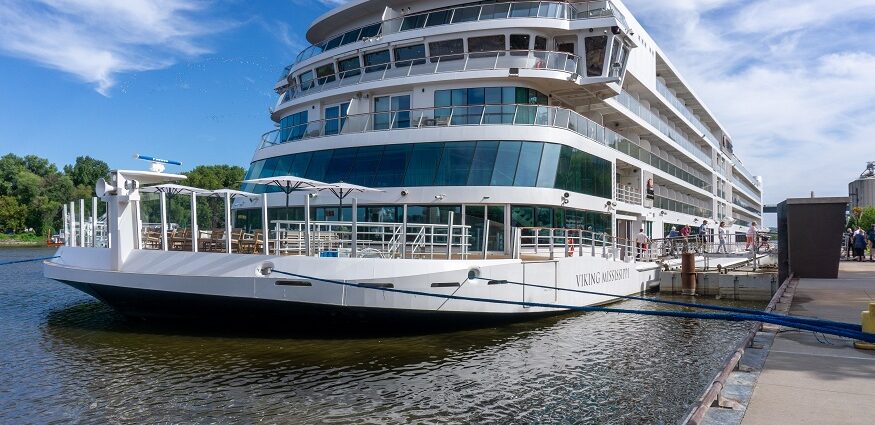
Before deposit, ask where the ship may dock, whether rafting through another vessel is possible, how gangway conditions can vary, and what happens if the assigned berth changes. Confirm elevator reach, cabin location, equipment policies, and coach access directly for the ship and sailing.
Then use this guide to European river cruises for seniors with limited mobility across both ship and shore. Do not rely on a brochure’s general pace description or a single accessible excursion symbol.
Finally, agree on three shared priorities and three individual limits before choosing the line. One traveler should not spend the trip anxious about keeping up, and the other should not feel that every active option disappeared. The right plan gives both people a satisfying trip while being honest about where coordination or outside assistance is required.